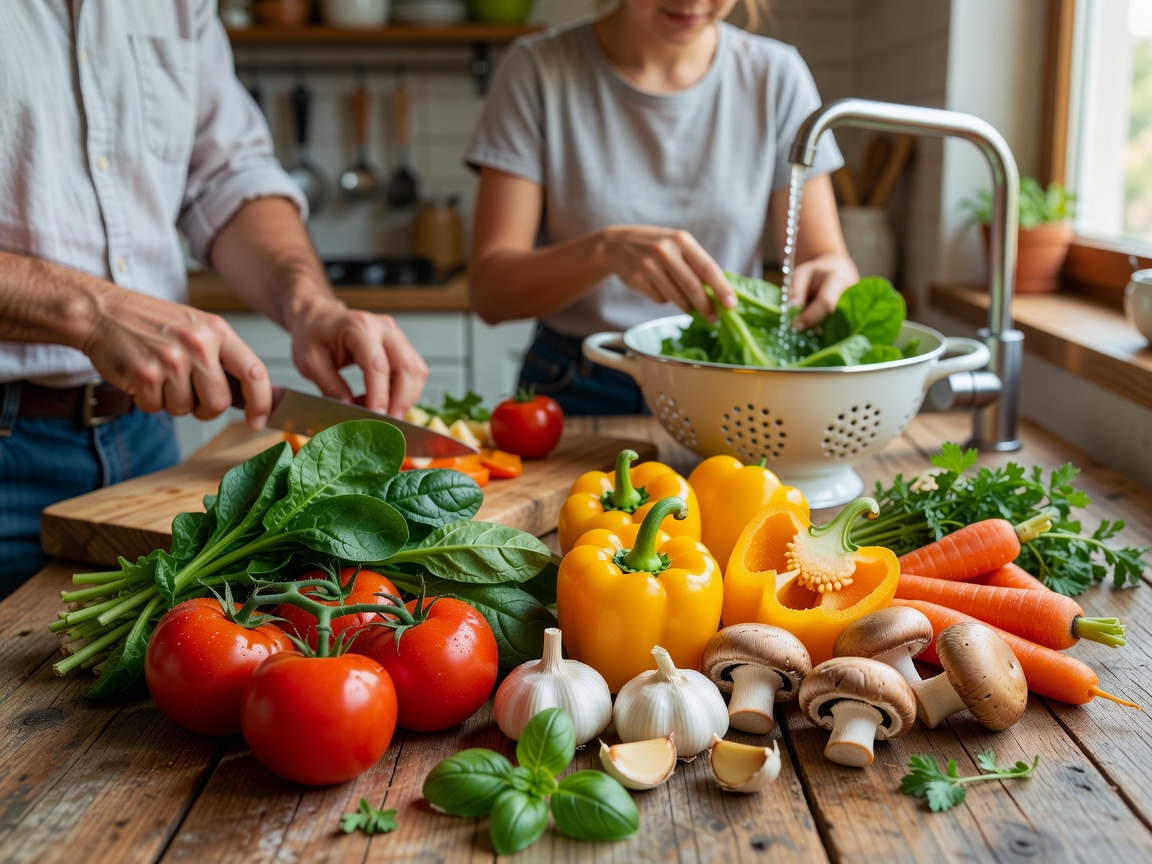
Cooking traditions are often described as if they were timeless ceremonies. In practice, many were ordinary responses to labour, weather, available fuel and the size of a household. A day set aside for baking, a shared preparation of stored foods or a market visit tied to a weekly rhythm could feel unremarkable to participants. These habits become visible later, when a change in work or household life interrupts them.
Shared work and household routines
Some food tasks made sense when several people could take part. Preparing a large batch, tending a communal oven or processing a harvest could spread effort across a family or neighbourhood. The work also carried informal instruction: a younger cook learned by watching, handling ingredients and repeating a task. Such knowledge could be precise without being written down.
These arrangements varied greatly by region, resources, gender roles and class. It would be misleading to present one domestic routine as universal. Historical records often describe the households and activities their authors considered important, while routine work may be noted only in passing. A careful account therefore asks whose labour is represented and whose is missing.
Seasonal food work
Seasonality shaped more than the menu. Harvest periods could prompt drying, salting, pickling or other preservation; colder months might call for stored foods and long-cooked dishes. These practices helped households manage the gap between abundance and scarcity. Their details depended on the food, local climate, available containers and inherited skill. The broad purpose can be explained without pretending every household used the same method.
Today, preservation has renewed interest, but revival is not identical to an unbroken historical practice. A modern kitchen has different equipment, ingredients and safety knowledge. When a practice is recreated, it is useful to label it as a contemporary adaptation and to follow current food-safety guidance.
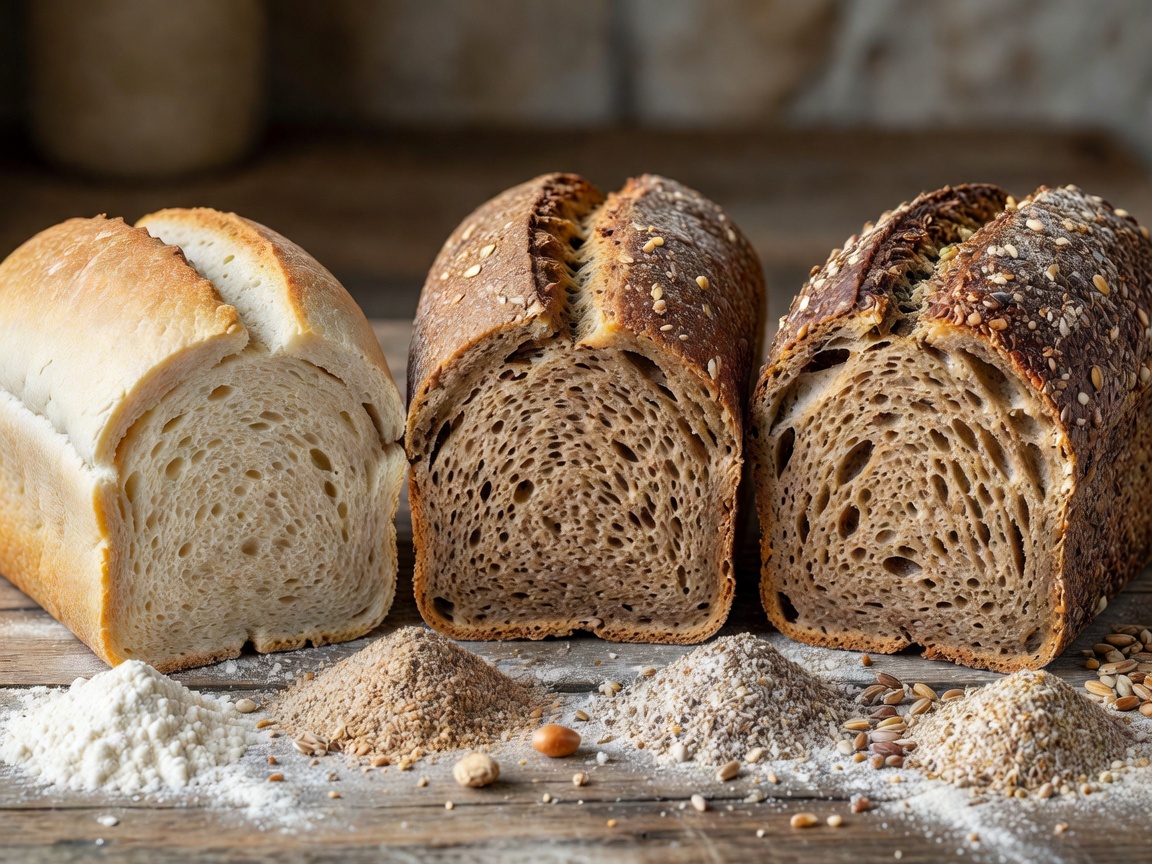
Markets, festivals and shared tables
Markets brought households into contact with seasonal produce, specialist foods and changing patterns of trade. The market itself could be a social routine as well as a place to buy ingredients. Festival food likewise linked cooking with calendars and gathering. Recipes might be prepared in larger quantities, use particular seasonal ingredients or take a form associated with a local celebration. Yet a festival custom can change as communities move, religious observance shifts or ingredients become less accessible.
Shared meals are not simply a menu. They involve timing, hospitality and expectations about who contributes. Written recipes often record the finished food more clearly than the coordination that made it possible. Oral testimony and family memory can help illuminate those details, but they should be identified as personal accounts rather than universal evidence.
Why customs change
Urbanisation, migration, paid work patterns, smaller households, commercial food production and changing access to fuel can all alter kitchen routines. Refrigeration and convenient prepared foods may reduce the need for certain seasonal tasks. New neighbours and new ingredients also create traditions rather than merely erasing old ones. What is described as a lost custom may persist in another community or take on a different form.
The advantages of studying these practices are clear: they show how cooking fits into everyday life and how knowledge is shared. The limitation is that evidence is uneven. A published account may describe an ideal rather than routine practice; remembered details can be meaningful without establishing a precise date or region.
What We Know
Historical accounts and household records show that food preparation was tied to work, season and social life. Baking, preserving, market-going and festival preparation could involve collective effort, while skills were often passed on through demonstration. The specific arrangements differed, and change was part of tradition rather than its opposite.
What Remains Uncertain
It is not always possible to tell how widespread a custom was, whether a description reflects ordinary practice, or how far a remembered version reaches back. Later reconstructions may combine several sources. We distinguish documented accounts from modern revival and from family memory, while treating each as a different kind of evidence.
Good For
Tracing cooking customs helps readers understand the time, labour and social relationships behind familiar foods. It can also help communities record practical knowledge before it is forgotten—without claiming that a single person or household represents an entire region.
What to Look For
- Descriptions of who took part and how the task was organised.
- Seasonal or calendar cues attached to a food practice.
- Tools, fuel and shared spaces mentioned in records.
- Whether an account is contemporary documentation, later recollection or modern revival.
When a custom changes, its ingredients may remain while its social setting shifts. That change is part of the story too.