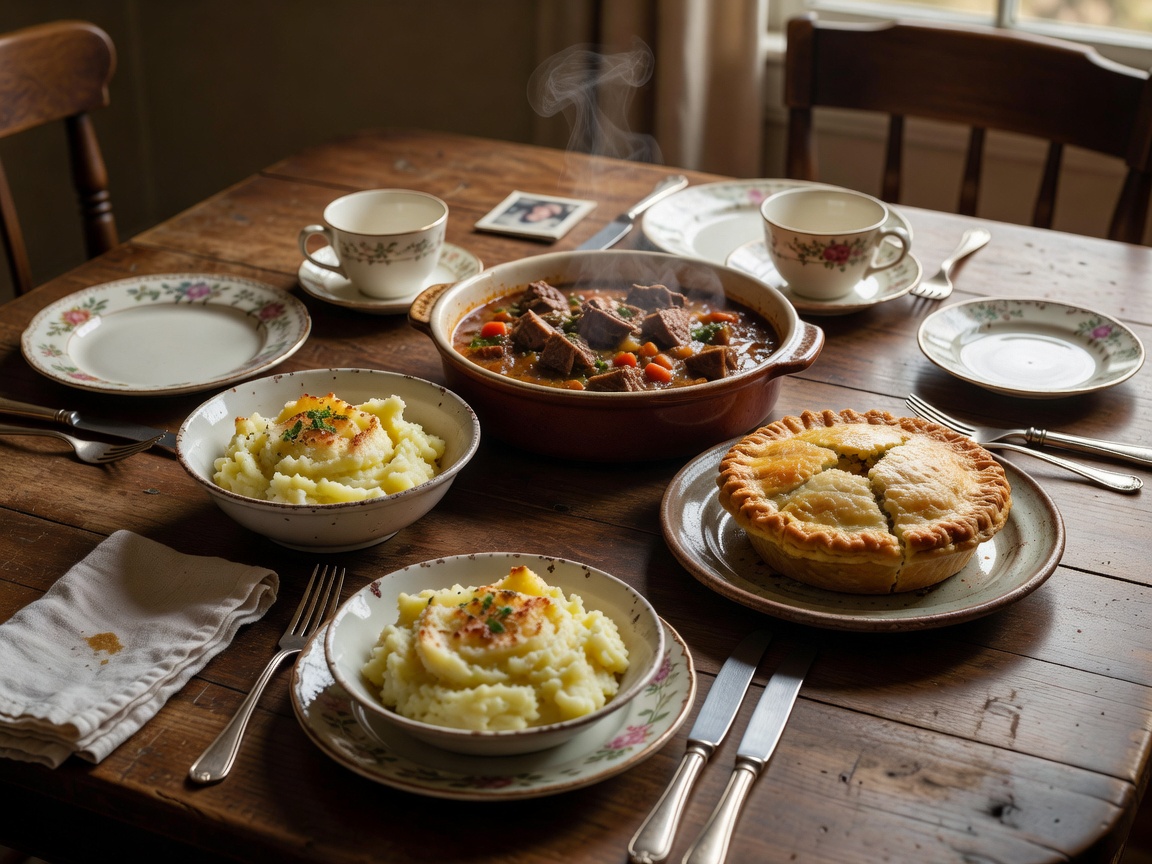
A recipe notebook can appear to be a simple collection of ingredients and steps. Open it more carefully and it may reveal changing handwriting, stains, inserted scraps and alterations made for a different oven or a larger table. These marks are not automatically proof of a particular story, but they help us ask better questions about use, inheritance and change.
Notebooks and household cookbooks
Household recipe collections could combine copied instructions, personal notes, clippings and recipes received from others. A recipe in a familiar hand may have been copied rather than invented by that writer. A named dish may point to a person who shared it, not the place where it began. Provenance—the history of how a document was made and passed along—matters when interpreting the page.
Cookbooks also speak to their intended readers. A printed recipe may assume a particular budget, access to ingredients or level of kitchen equipment. A household notebook may omit steps because the writer expected the next cook to know them. Neither kind of record is a complete account of what everyone ate.
Oral memory and recipe inheritance
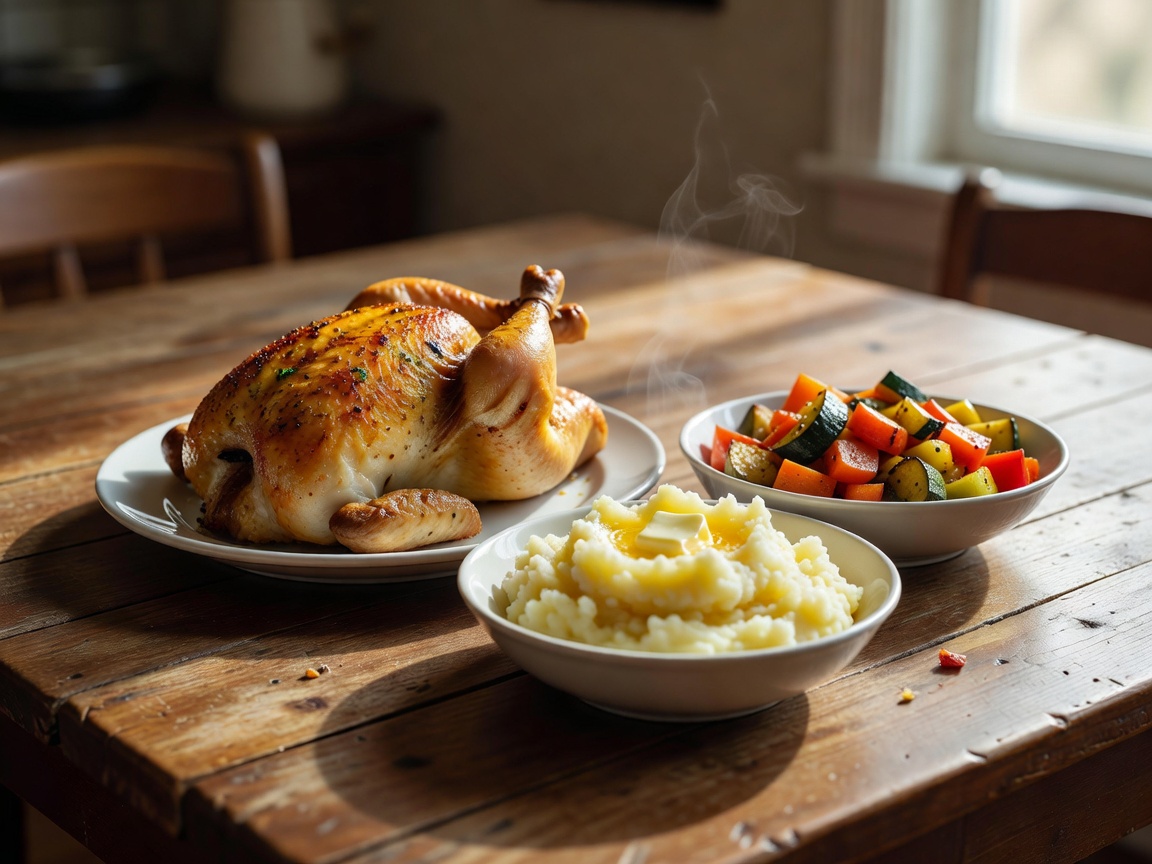
Food knowledge often travels through demonstration and conversation. Someone may remember a relative’s way of judging dough or seasoning a pot, even if no written recipe survives. Such testimony matters because it records personal experience. It should be attributed clearly and not presented as proof that every household in a region cooked the same way.
Memory is selective and can change with retelling. A family story may attach a dish to a place, migration or celebration; later versions may sharpen details that were once uncertain. That does not make the memory unimportant. It means we should distinguish the truth of a person’s recollection from a claim about a verified date or origin.
Movement, migration and adaptation
When people move, recipes move too. A cook may adapt a familiar dish to ingredients available in a new home, alter a method to suit a different kitchen or keep a name even as the preparation changes. These variations can document exchange and belonging. It is tempting to treat adaptation as a departure from a pure original, but in lived food cultures adaptation is often the means by which a practice continues.
Household changes influence recipes in quieter ways. A smaller family may need different quantities; a new work schedule can change cooking time; new equipment may make an old task easier or unnecessary. A recipe’s revisions can therefore record social change without being intended as a historical statement.
Preserving a record responsibly
When documenting a family recipe, preserve the wording before editing it. Note who shared it, what they remember, and which details remain uncertain. Keep substitutions visible rather than silently replacing them. If a document is fragile or sensitive, handle and share it with care and respect the wishes of the people connected to it.
The benefit of this approach is that it allows family knowledge to sit beside broader food history without being confused with it. The limitation is that a single notebook cannot represent every member of a family, much less an entire community. Gaps and silences are part of the record.
What We Know
Recipes can be copied, altered, inherited and adapted. Material features of notebooks and cookbooks, along with attributed testimony, help establish how a recipe circulated. Migration and household change can influence ingredients, methods and meanings over time.
What Remains Uncertain
A handwritten recipe may not identify its original author, exact date or first place of use. A family account may preserve meaningful memory while leaving chronology unresolved. We do not create archival citations or treat an evocative story as verified evidence where no corroboration is available.
Good For
Recipe storytelling can help families record knowledge, understand culinary change and make visible the labour behind meals. It is most useful when sources are credited, uncertainty is acknowledged and the people whose memories are shared remain part of the conversation.
What to Look For
- Handwriting, annotations and material clues—without treating them as conclusive alone.
- Who copied or shared a recipe, and what is known about its path.
- Changes in ingredients, quantities or equipment across versions.
- A clear distinction between documentation, family memory and later interpretation.
To preserve a recipe is not to freeze it. It is to keep a record of how it travelled, who cared for it and what remains unknown.