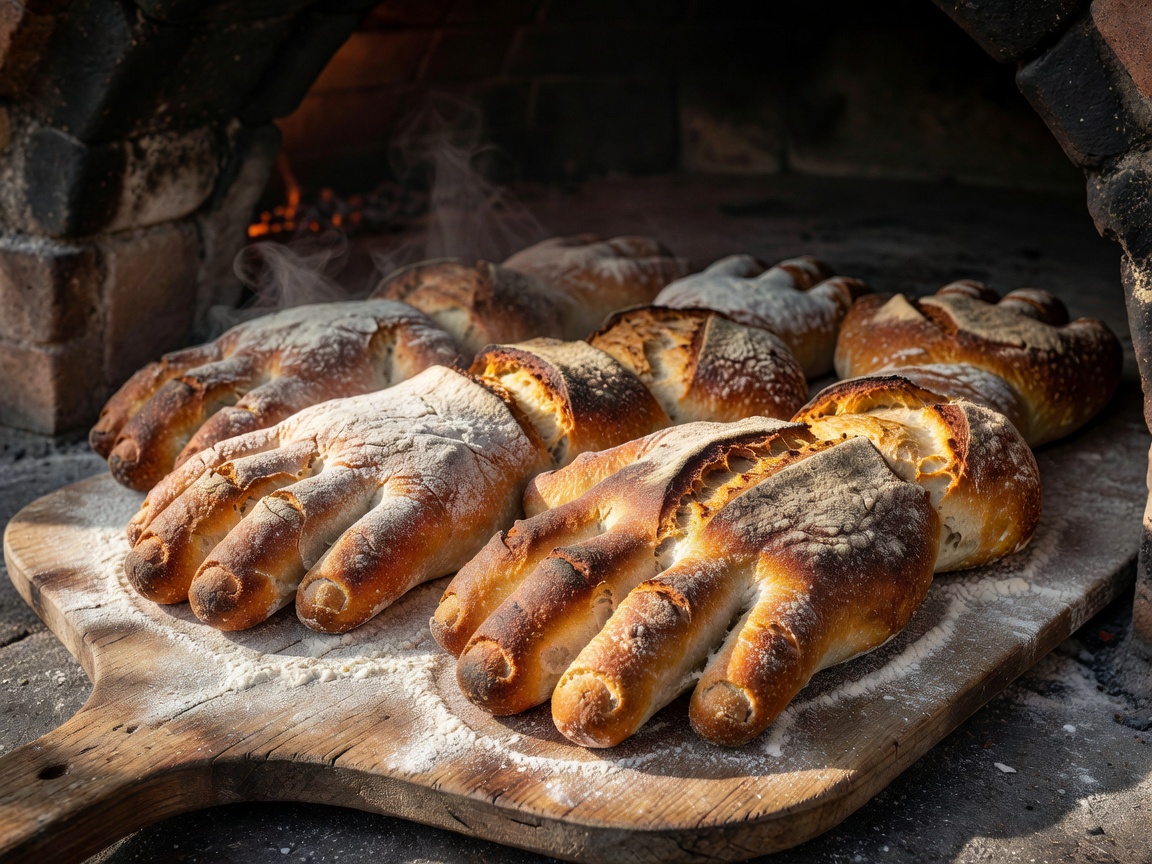
A recipe instruction such as “leave until ready” makes sense only to someone who already knows what readiness looks and smells like. Historical recipes often assume practical knowledge that the writer did not need to explain. Tools and fuels also changed, and a phrase describing a hearth, oven or vessel may not translate directly to modern equipment.
Preserving: making food last
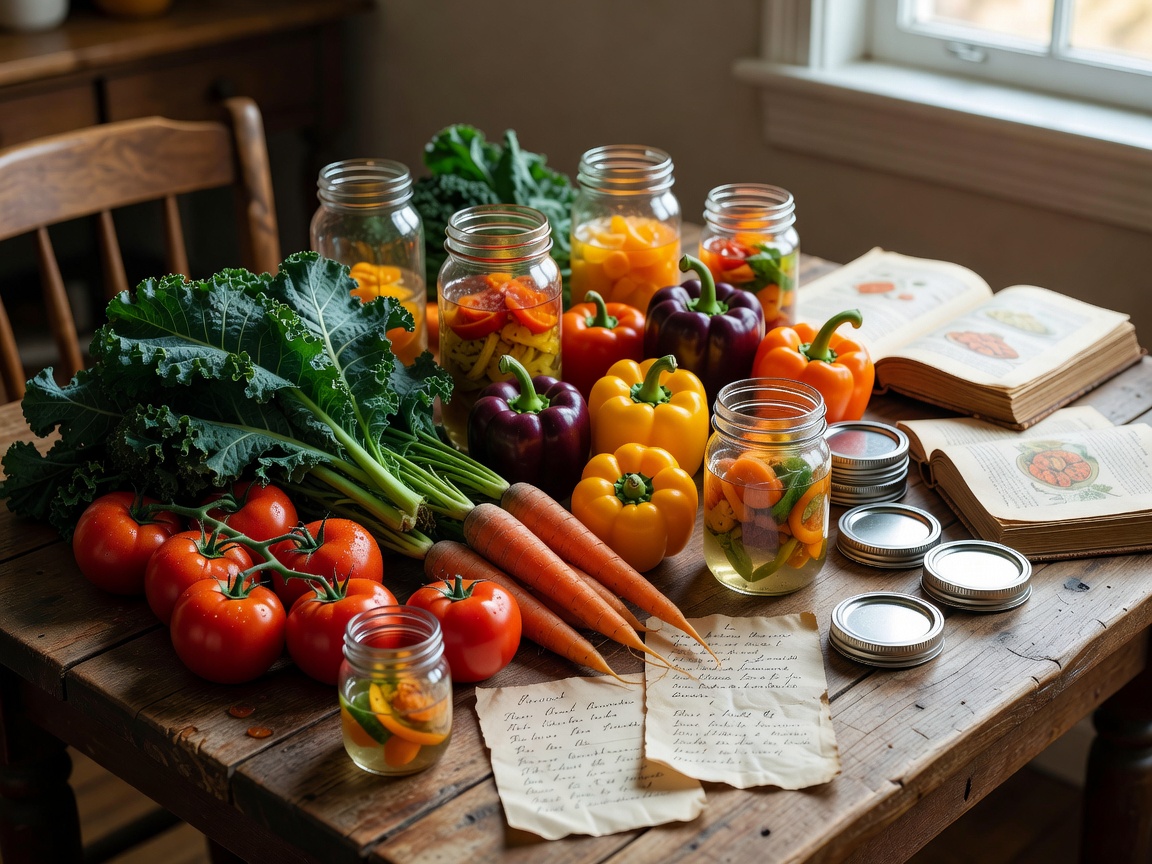
Drying reduces available moisture; salting and curing use salt as part of preservation; smoking combines exposure to smoke with drying and, depending on method, heat. Pickling uses an acidic environment, while fermentation involves microorganisms transforming food. These methods have different purposes and risks. Their effectiveness depends on ingredients, preparation, conditions and careful control—not simply on a historical label.
Fermentation can change flavour and texture while helping preserve some foods. The term covers varied processes, from cultured dairy to vegetable ferments and leavened dough. A traditional description may not state the conditions needed to reproduce it safely. Never infer a safe procedure from a fragmentary old recipe. For home preservation, use current, tested food-safety guidance and verified methods from reliable public health or food-safety authorities.
Heat, slow cooking and baking
Slow cooking could tenderise tougher cuts, soften pulses or bring flavours together with limited supervision. A low, steady heat was useful when a pot could be left near a hearth or in a cooling oven. But descriptions of “slow” cooking do not specify modern temperatures, and old equipment distributed heat differently. A contemporary adaptation needs its own safe, tested instructions.
Traditional baking likewise relied on judgement. A baker assessed dough, heat and timing through touch and experience. Wood-fired ovens retained heat and could be used in sequence for foods requiring different temperatures. Bread, pastries and other baked foods varied with flour, hydration, leavening and local practice. The result was not one universal method but a family of techniques shaped by equipment and skill.
Grinding, drying and preparation
Grinding transformed grain, seeds and spices into forms that could be cooked or stored differently. Stone mills, hand tools and later machinery produced flour with distinct textures and levels of refinement. The choice of grind influenced dough and cooking. Drying, meanwhile, offered a way to store fruit, herbs and other foods, though weather, airflow and storage conditions mattered. A recipe that assumes freshly ground flour or dried herbs may behave differently with modern ingredients.
Methods carry both advantages and limitations. They can reduce waste, extend seasonal supplies and produce distinctive textures. They can also be time-consuming, dependent on specialised knowledge and sensitive to environmental conditions. A historical account may describe the idea of a technique while omitting crucial practical detail.
What We Know
Preserving, grinding, baking and slow cooking served practical needs before modern refrigeration and convenient equipment were widespread. Recipes and descriptions document broad technique families, while material tools and household records can help explain their settings. Different methods should not be treated as interchangeable: each relies on particular physical or biological conditions.
What Remains Uncertain
Short instructions may leave out amounts, temperature, duration, equipment and signs of completion. The same term could describe different local practices. A later written account may simplify a technique that depended on experience. We avoid supplying invented exact parameters where the evidence is incomplete.
Good For
Learning about technique helps explain how food was managed, transformed and valued. It can guide thoughtful modern interpretation, provided that historical curiosity does not substitute for present-day safety standards. Old methods may inspire questions; they are not automatically safe modern instructions.
What to Look For
- The material and shape of the vessel or tool named.
- Words describing texture, smell, colour or other signs of completion.
- Whether the method preserves food, changes flavour or does both.
- Modern, tested safety guidance for any practical preservation attempt.
Historical cooking is a record of material knowledge. Its missing details deserve attention as much as its surviving instructions.