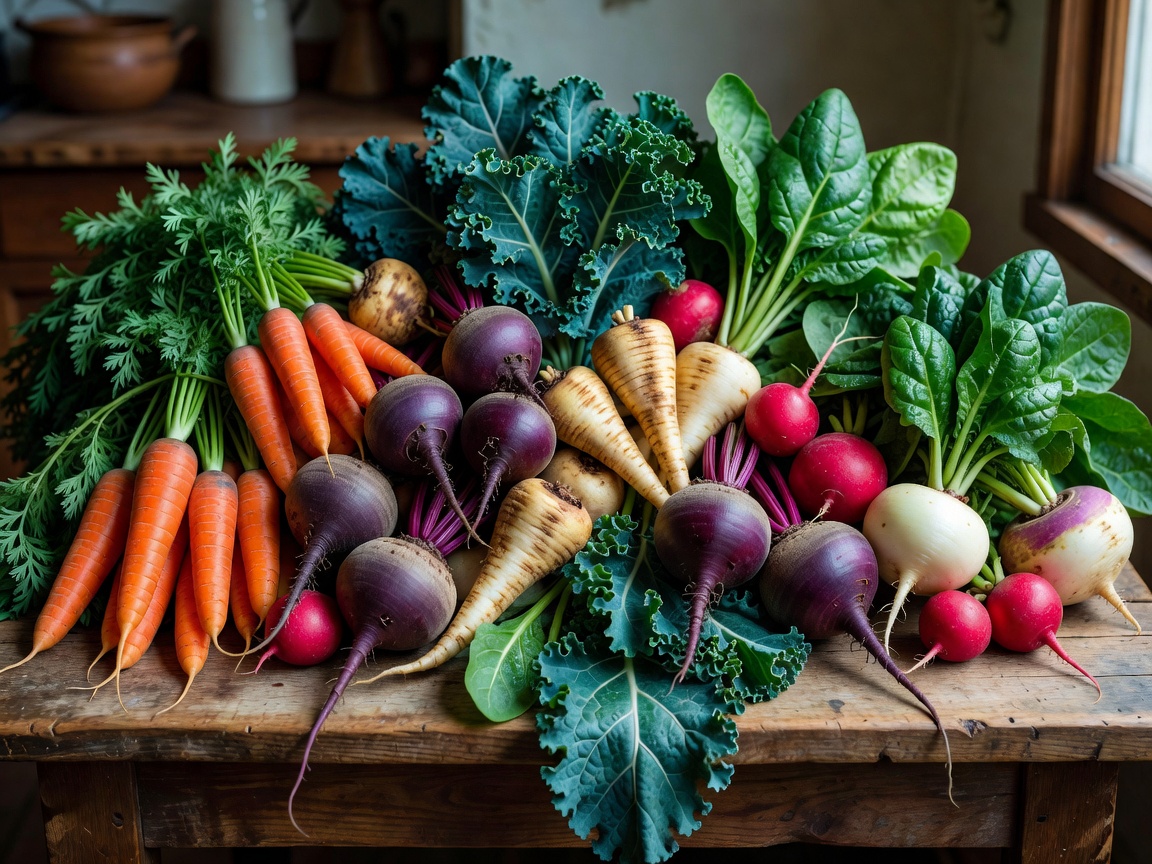
“Forgotten ingredient” is a useful prompt, but not a precise category. Some foods remain common in one place while unfamiliar elsewhere. Others are still grown but rarely sold through large retailers. A named variety may have been replaced by one better suited to storage, processing or large-scale production. In each case, absence from a modern supermarket is not proof that an ingredient has disappeared entirely.
Grains and everyday flour
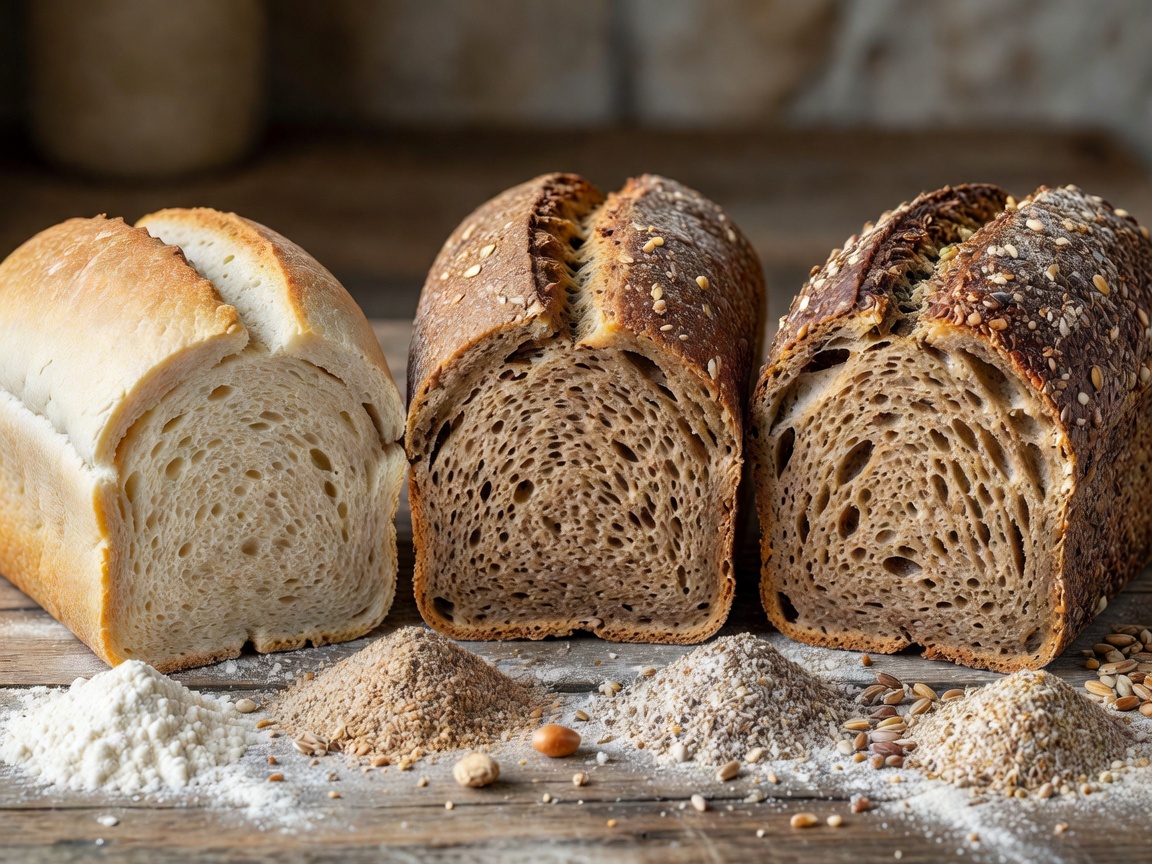
Grains supplied flour, porridge, breads and other staple foods across many European food cultures. Different grains, and different ways of milling them, produced distinct textures and cooking properties. Agricultural shifts, commercial milling and changing tastes influenced which grains became widely available. Local grains can remain important to particular landscapes even as national food habits favour a narrower range.
Heritage grain is a broad everyday phrase, not a guarantee of one stable historic type. Seed names and varieties can be local, and the same label may not mean the same thing across all contexts. When describing a grain, it helps to identify the name used by a particular grower or source and to avoid assuming its history from the label alone.
Vegetables, fruit and herbs
Traditional vegetable gardens and orchards held many varieties adapted to local soil, weather and uses. A fruit valued for storing or cooking may not be the one preferred for eating fresh. A root vegetable might be roasted, boiled, mashed or preserved according to season and household taste. Commercial distribution often rewards uniform appearance, predictable yield and durability, which can narrow the range visible to consumers.
Herbs likewise move between culinary settings. They may be used fresh, dried or preserved in fats and liquids, with different results. Names can vary by language and region, so a plant identified in an old recipe may not map neatly to one modern common name. Responsible interpretation checks botanical identity instead of relying on resemblance or assumption.
Legumes, dairy and preserved foods
Beans, peas and other pulses were useful sources of nourishment that could be dried and stored. Their prominence varied with local agriculture, household resources and preparation customs. Dairy foods also reflect place: climate, animal husbandry and preservation influence what is made and how it is used. Some regional products are well documented; others survive in household memory without a single standard form.
Preserved ingredients—dried fruit, salted foods, fermented products or stored roots—often reveal seasonal rhythms. But a historic preparation should not be treated as a modern food-safety recipe. Conditions and methods matter. Anyone preserving food at home should follow current, tested safety guidance rather than improvising exact measures from an incomplete historical description.
Why use changes
Changing agriculture, mechanisation, transport, market demand and household time all affect ingredient use. A crop may be replaced because another offers more reliable yields or fits a processing system. A less familiar fruit may be displaced by varieties that travel better. Migration can introduce new ingredients while changing the demand for old ones. Sometimes a revival makes an ingredient fashionable again, but contemporary popularity does not tell us how widely it was used in the past.
Exploring overlooked ingredients can broaden food knowledge and show the relationship between cultivation and cooking. It also has limits: names are unstable, availability is regional, and surviving evidence may favour commercial records over home-grown foods. Avoid unsupported health claims. An ingredient’s historical role does not establish a medical benefit.
What We Know
Ingredient use is shaped by cultivation, storage, markets, processing and cooking needs. Varieties suited to one landscape or purpose may become less visible when supply chains favour standardised alternatives. Many foods continue in local or specialist settings even when they are less familiar to a broad audience.
What Remains Uncertain
It can be difficult to connect a historical name to a modern cultivar or precise plant. Local usage may be poorly represented in published sources, and the phrase “old variety” can conceal a complicated history of selection and exchange. We avoid implying a single origin or continuous line when the evidence does not provide one.
Good For
Ingredient histories help readers understand how a recipe depends on farming and supply, and why a substitute changes the result. They also invite careful conversations with growers, cooks and local communities about what remains available.
What to Look For
- A specific variety name and the context in which it is used.
- Whether an ingredient is eaten fresh, stored, milled or preserved.
- Evidence of local cultivation rather than assumptions based on a broad label.
- Clear separation between culinary history and unsupported health claims.
The larder is a record of choices. Following those choices can tell us as much about agriculture and trade as it does about taste.